Curriculum Architecture
Modular learning pathways for civic systems, workforce navigation, media literacy, heritage, and global institutions.
LILMOD Strategies LLC
A curriculum, simulation, and program-design platform that helps institutions teach overlooked talent how public systems, workforce pathways, media environments, cultural infrastructure, and global institutions work.
Upcoming Event | August 6-9 Global Observance
A Gullah-Geechee-led virtual gathering rooted in spiritual memory, youth leadership, public diplomacy, and the global call for nuclear peace.
Featured National Project
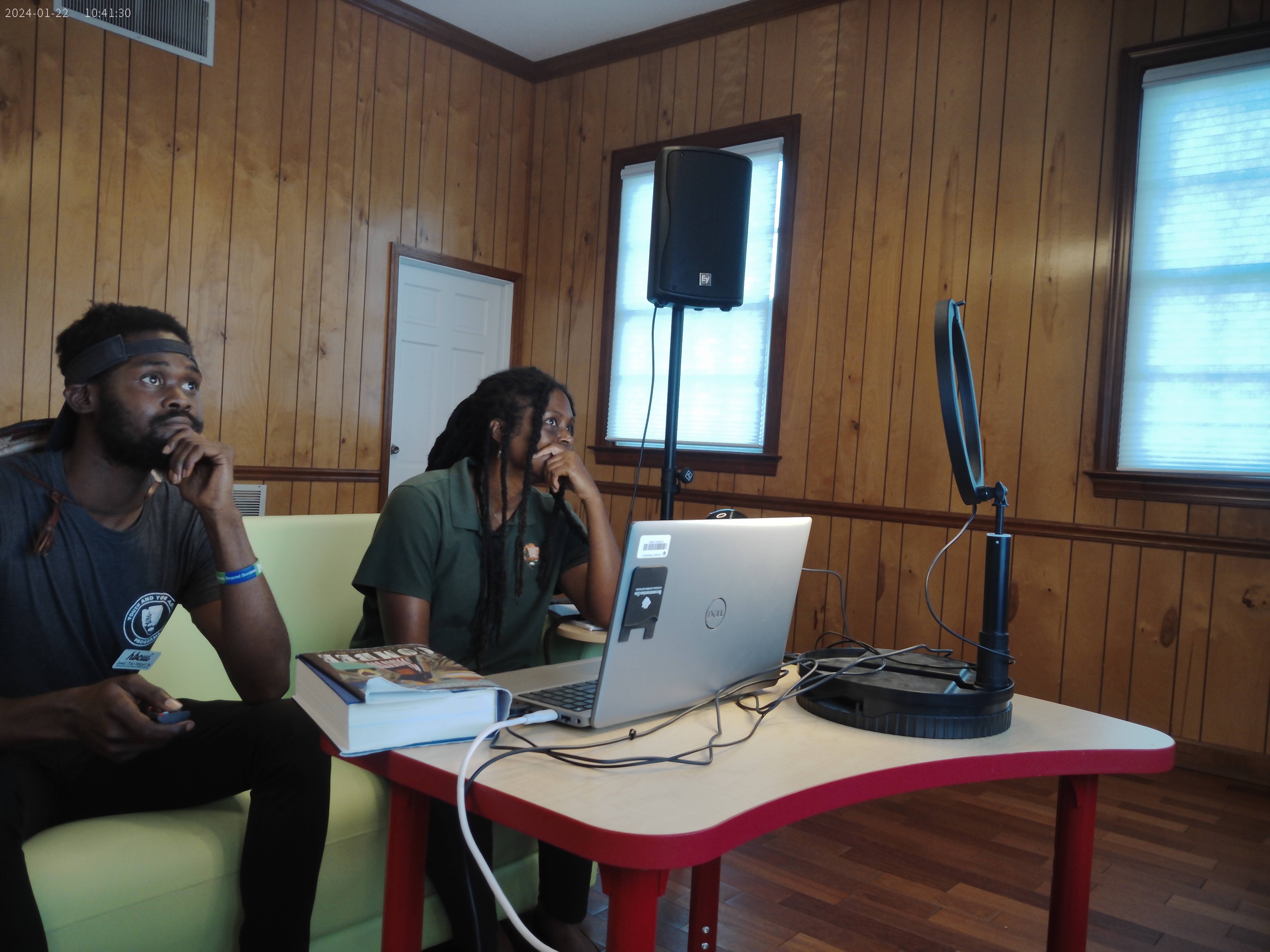
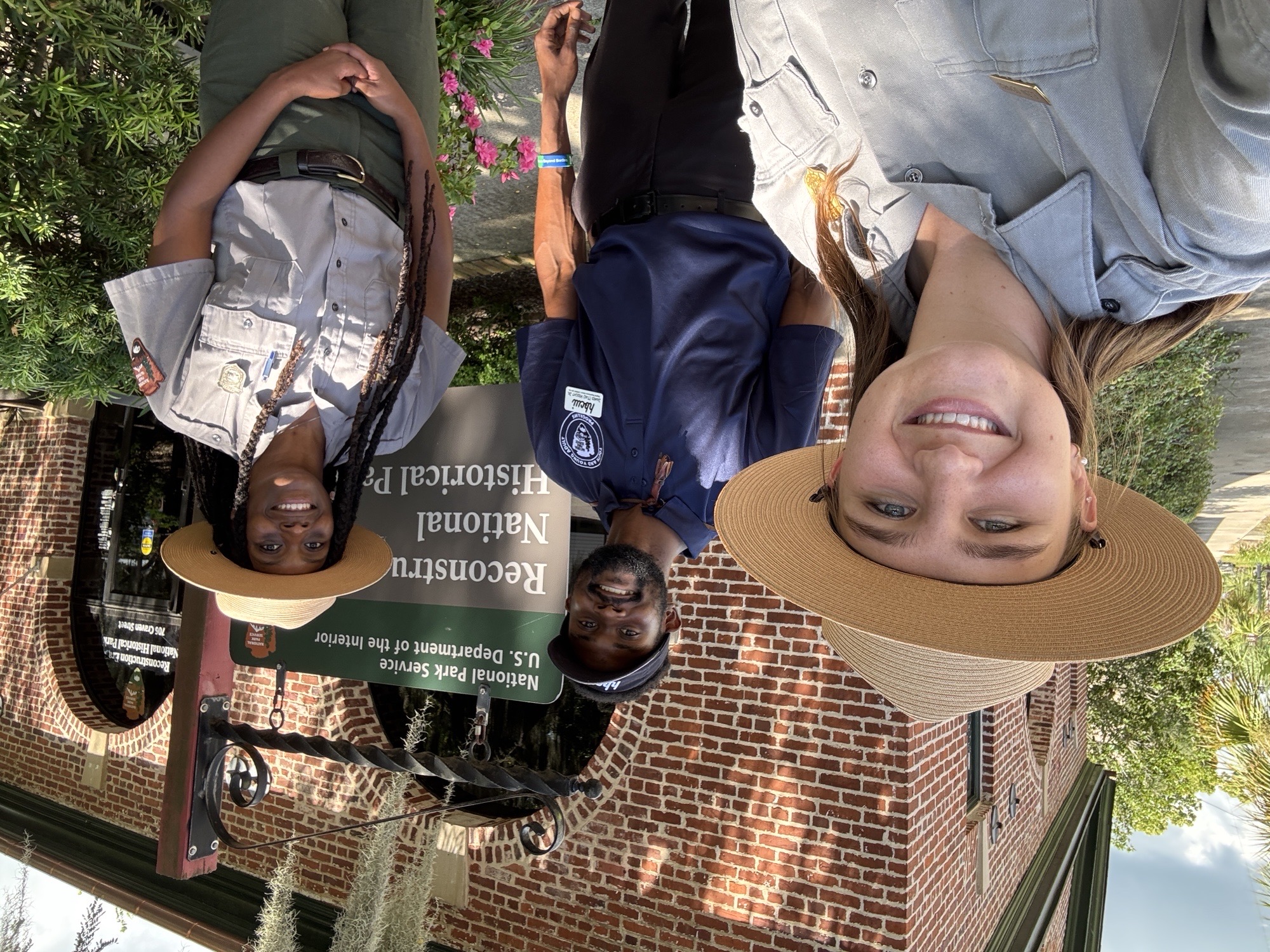
Landfall: Come by the Combee is a digital audio tour project developed through the National Park Service HBCUI Internship Program exploring the history and legacy of the Combahee River Raid and Reconstruction-era Lowcountry history.

International Advocacy Highlight
LILMOD's international work grows from years of field research, public history, cultural preservation, youth organizing, nuclear disarmament advocacy, and institution-facing preparation.
LILMOD's international work grows from years of field research, public history, cultural preservation, youth organizing, nuclear disarmament advocacy, and institution-facing preparation. Through PEAC Institute, Students for Nuclear Disarmament, Back from the Brink, and partner networks, LILMOD team members have contributed to international peace and nuclear policy spaces while remaining grounded in community-based scholarship and public education.
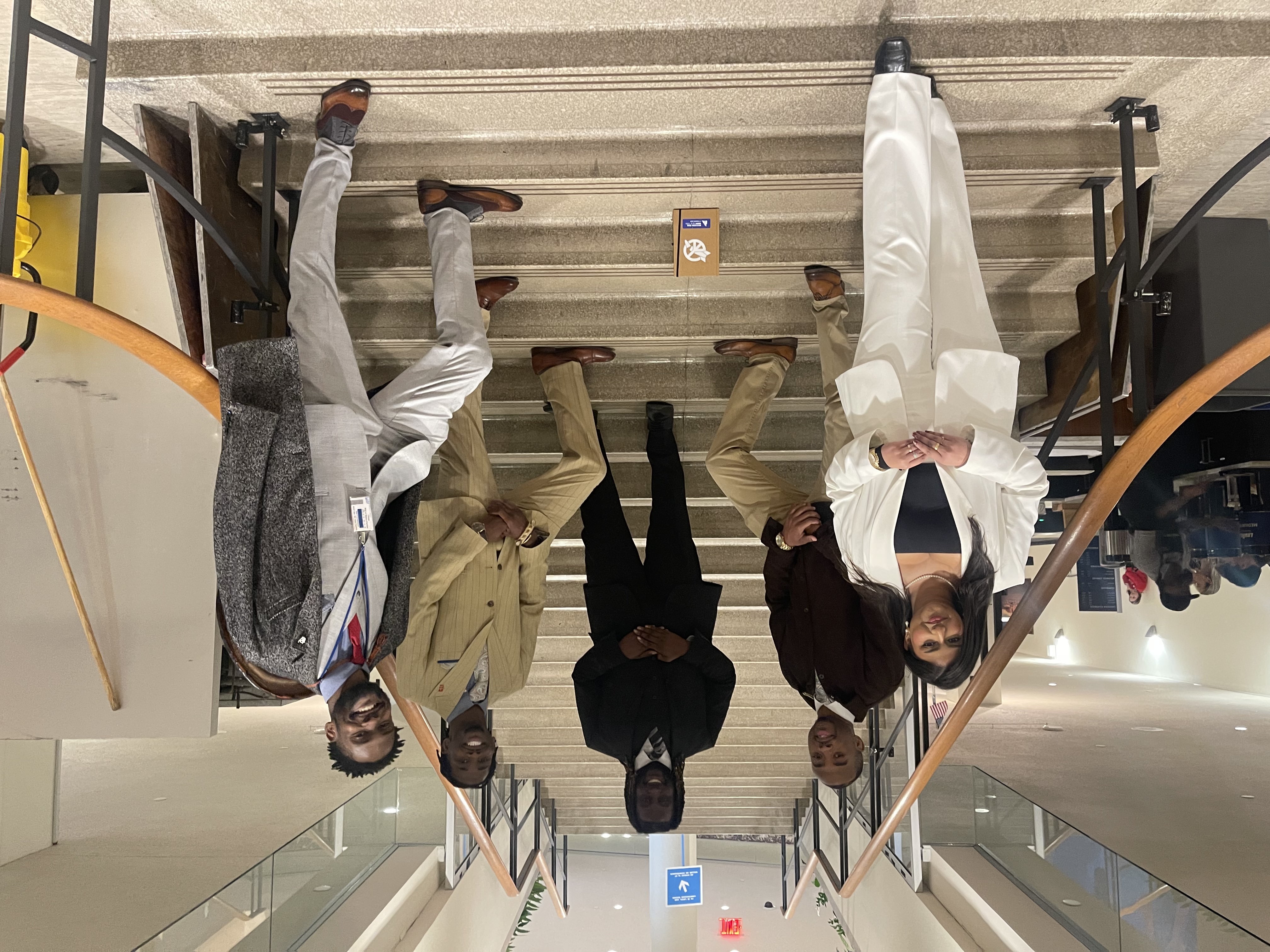
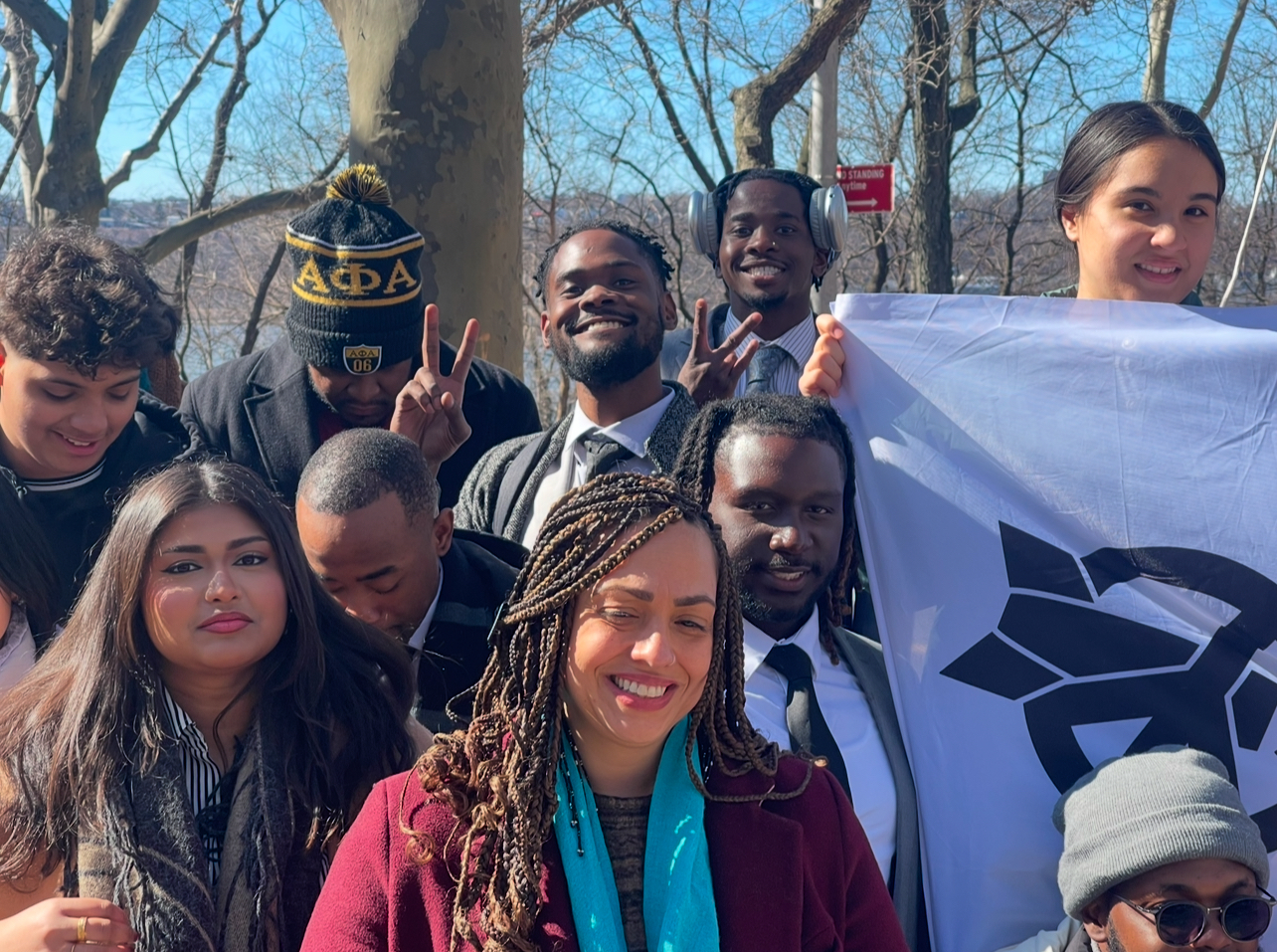
In 2026, Jahrik Browner, a LILMOD team member and PEAC Institute representative, co-delivered the International Youth Statement at the Nuclear Non-Proliferation Treaty Review Conference alongside Rooj Ali. Jahrik also served as a primary liaison between the PEAC Youth Delegation and the Nuclear Age Peace Foundation / Reverse the Trend, helping coordinate communication and carrying significant responsibility in the editing and refinement of the statement.
Clarence Sanders, also a LILMOD team member, participated in the PEAC Youth Delegation and helped write and edit the statement. James D. Height Jr. advised the delegation on structure, historical framing, and justice-centered connections to affected communities, Gullah-Geechee history, nuclear legacies, and global civic responsibility.
This work is a major international advocacy highlight that shows how LILMOD helps connect research, fieldwork, cultural memory, youth leadership, and public communication to national and international civic opportunity.
2026 NPT International Youth Statement - co-delivered by Jahrik Browner with Rooj Ali, with significant editing and refinement by Jahrik, writing and editing contributions from Clarence Sanders, and structural advisory support from James D. Height Jr. through the PEAC Youth Delegation.
Core Capabilities
Leadership infrastructure for institutions that need curriculum, simulations, field exposure, and measurable programs that teach participants how to operate across public-facing environments.
Modular learning pathways for civic systems, workforce navigation, media literacy, heritage, and global institutions.
Academies, workshops, field intensives, credential pathways, and partner-ready implementation models.
Structured scenarios that teach participants how diplomacy, infrastructure, media, and governance environments function.
Collaborations with schools, municipalities, workforce systems, cultural institutions, media partners, and research organizations.
Editorial Standards
Global Systems Exposure
LILMOD uses diplomacy-facing experiences as teaching material: a way to build curriculum, simulations, and institutional exposure programs that prepare participants to understand multilateral systems, public leadership, and global civic responsibility.


Documented Work
The public record gives LILMOD the material to design programs. The goal is not to operate as a single-issue research shop; it is to teach people how to understand and move through complex institutions.
Landfall and NPS/HBCUI experience inform modules on interpretation, descendant-centered storytelling, digital tours, and community memory.
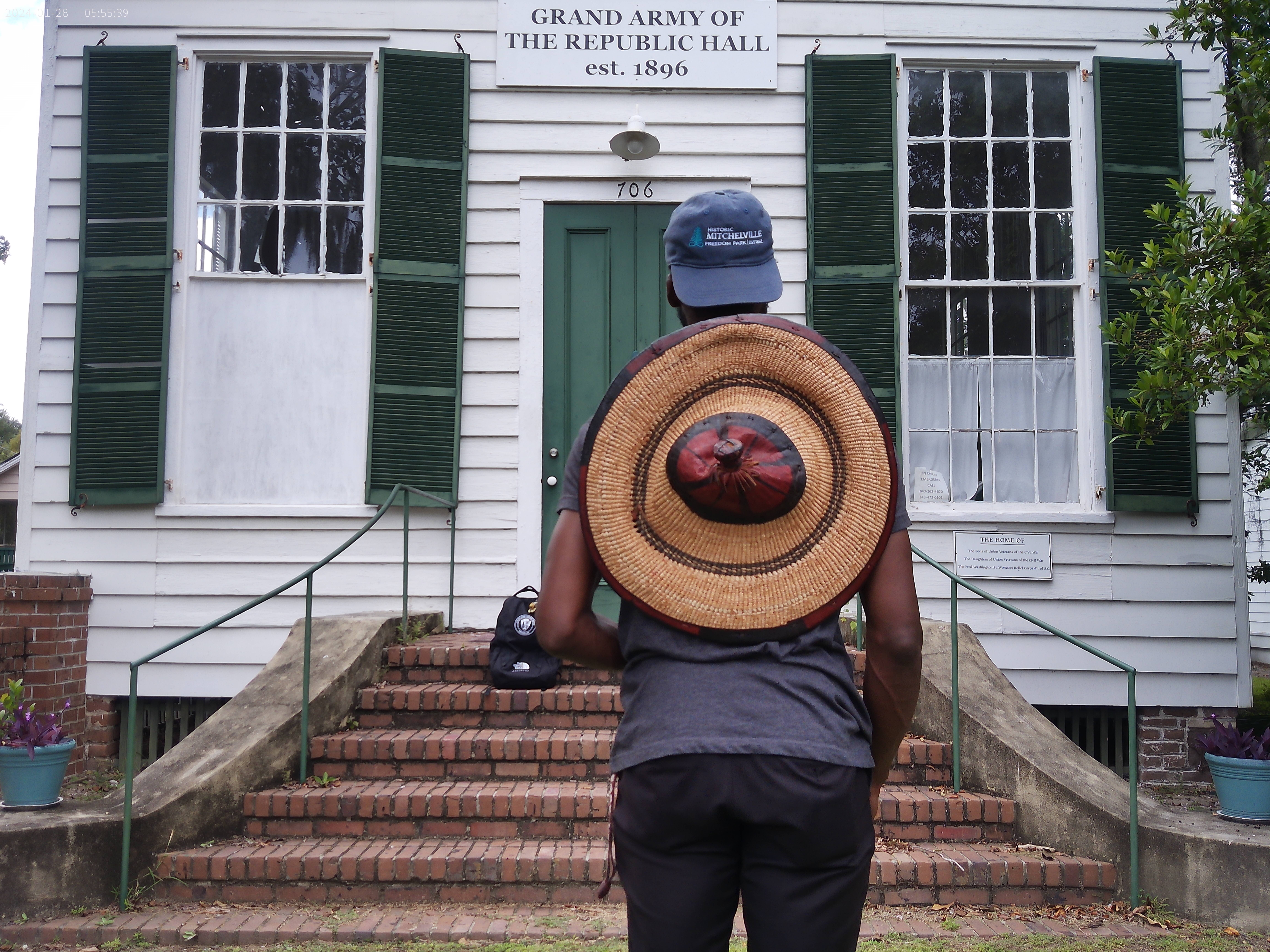
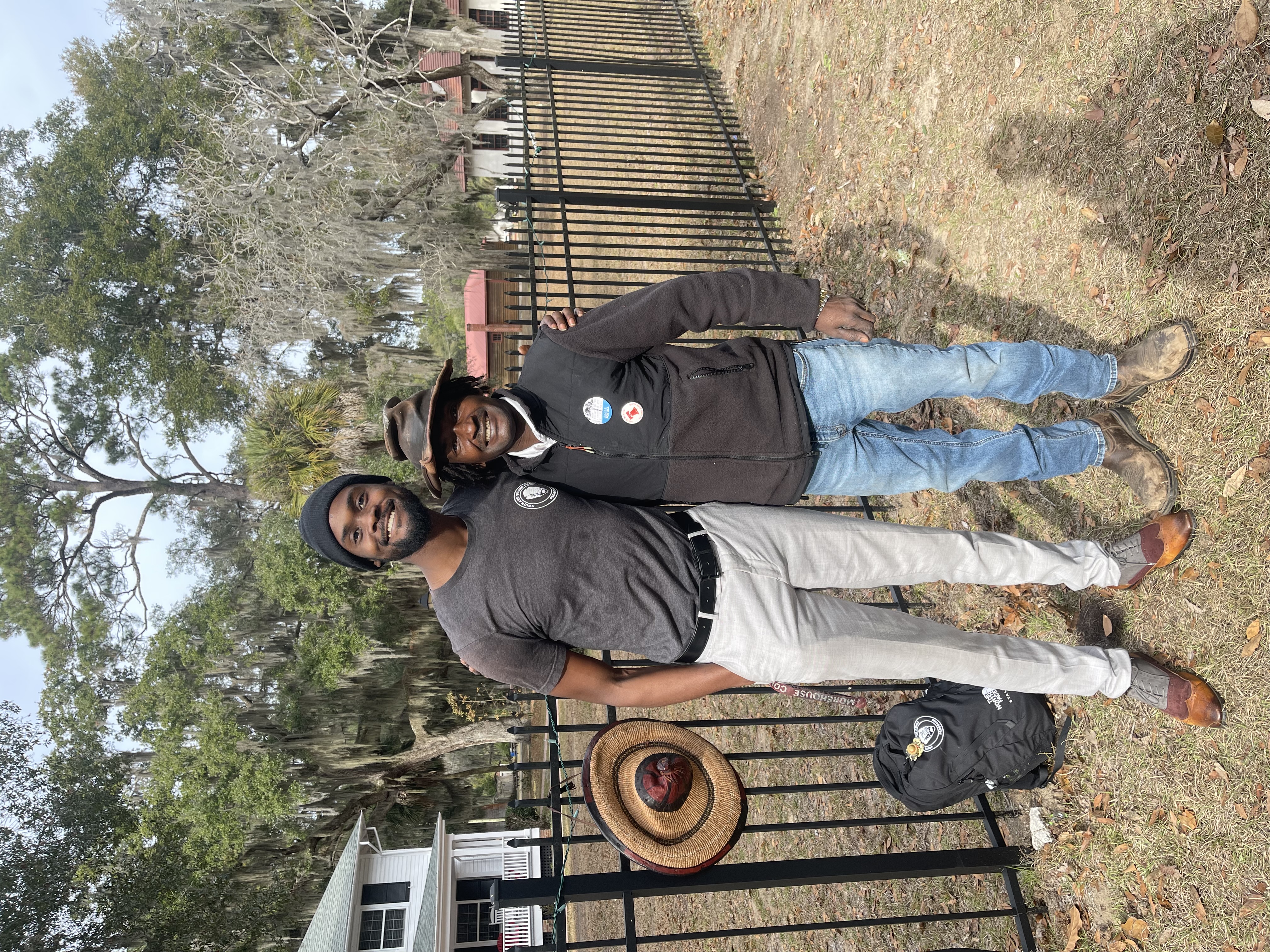
Johns Island work becomes a model for teaching place-based documentation, preservation ethics, and cultural infrastructure literacy.
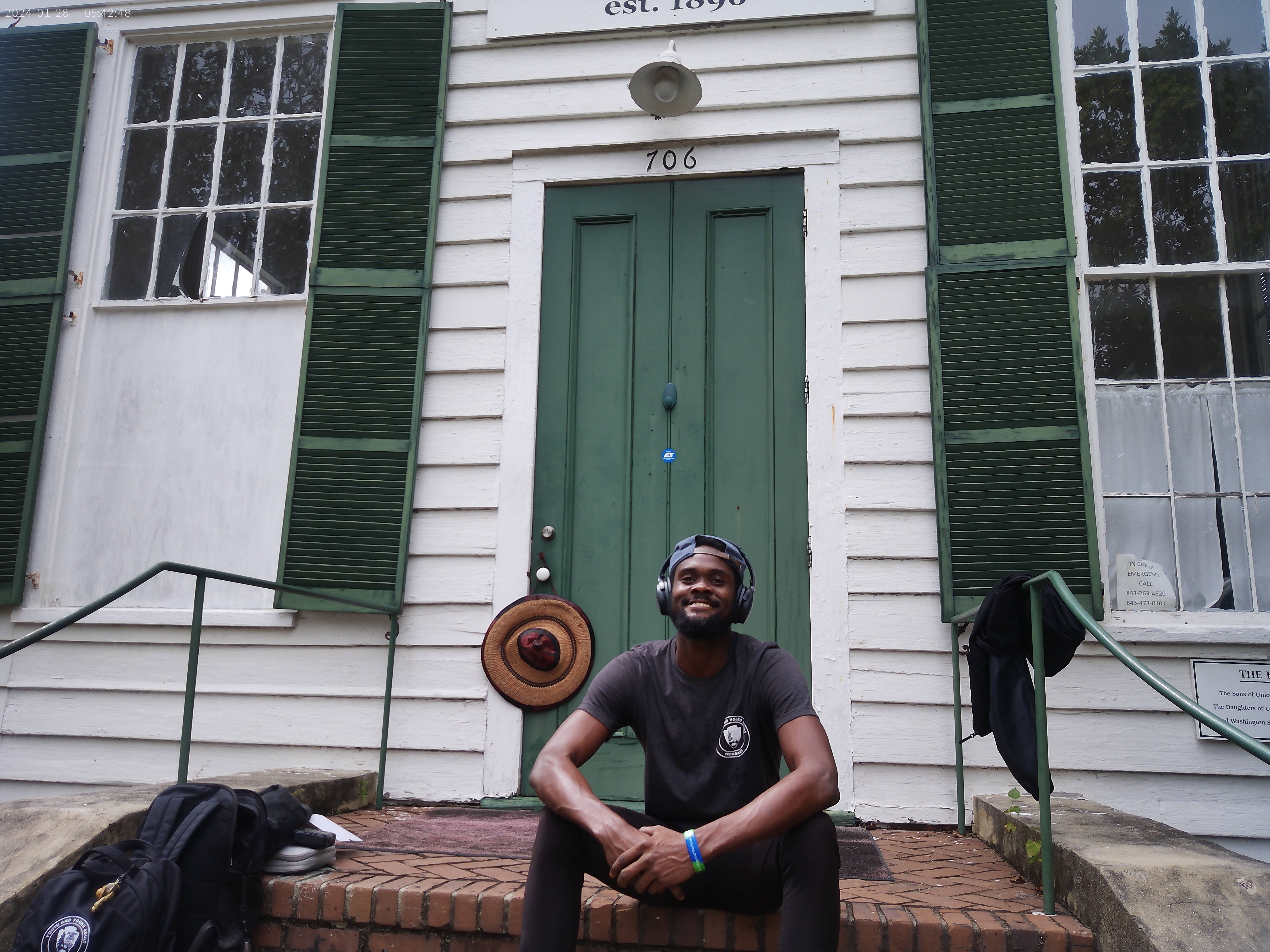
Morehouse MMJ experience informs curriculum on interviews, public scholarship, civic memory, and justice-centered documentation.
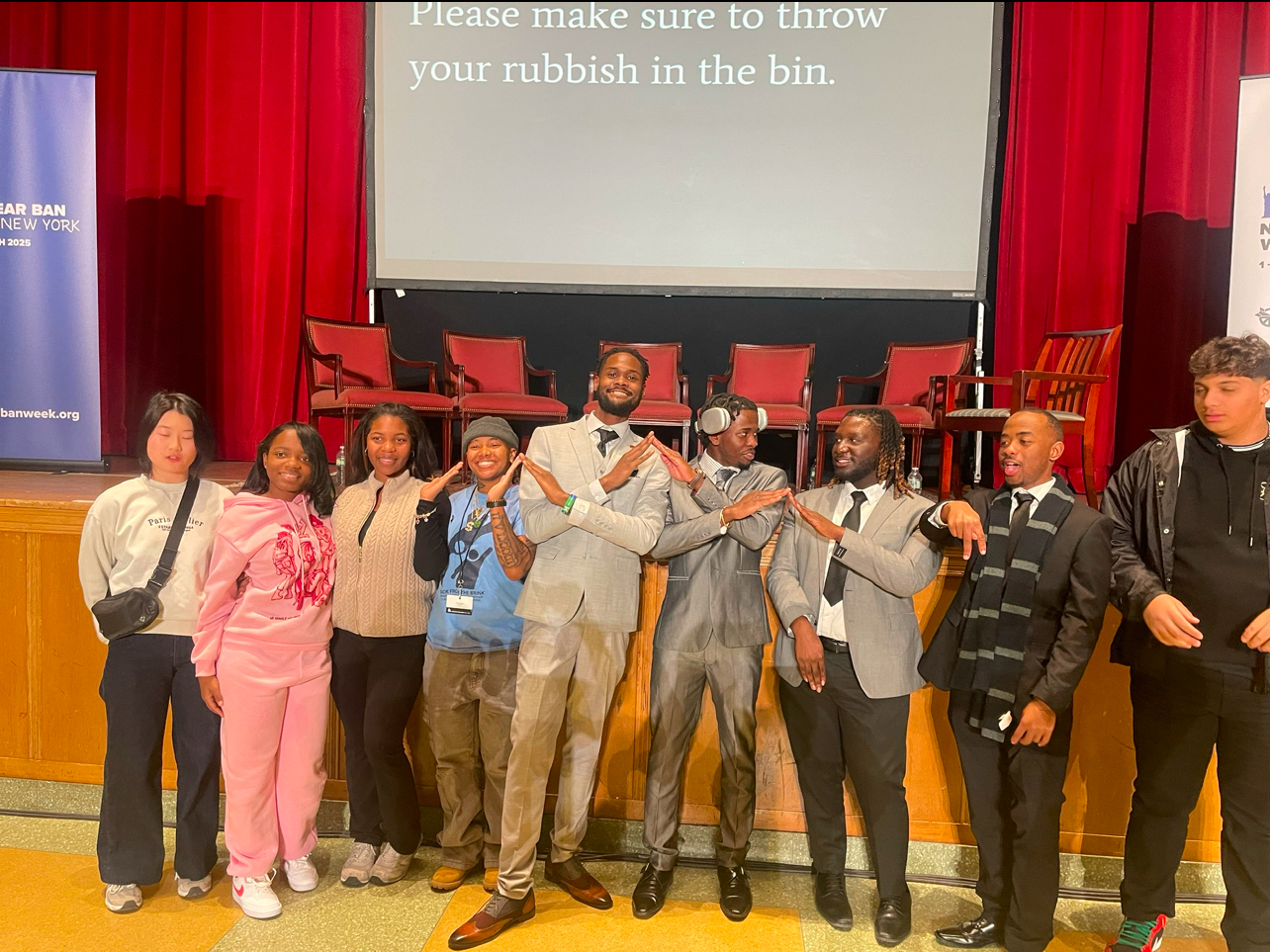
UN and PEAC exposure supports learning scenarios on diplomacy, peace infrastructure, youth statements, and multilateral institutions.
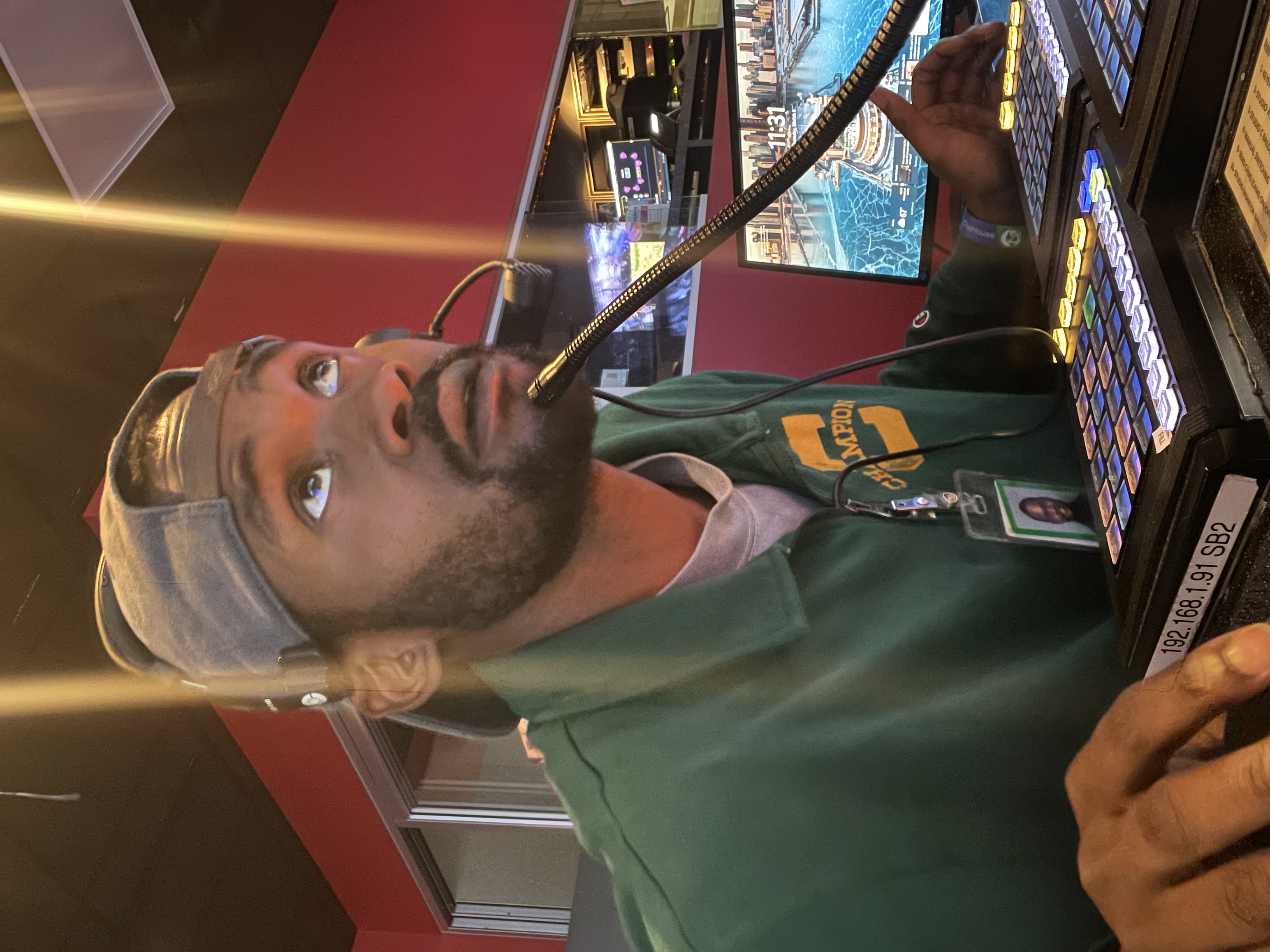
Broadcast production and newsroom exposure become exercises in communications systems, message discipline, and live institutional operations.
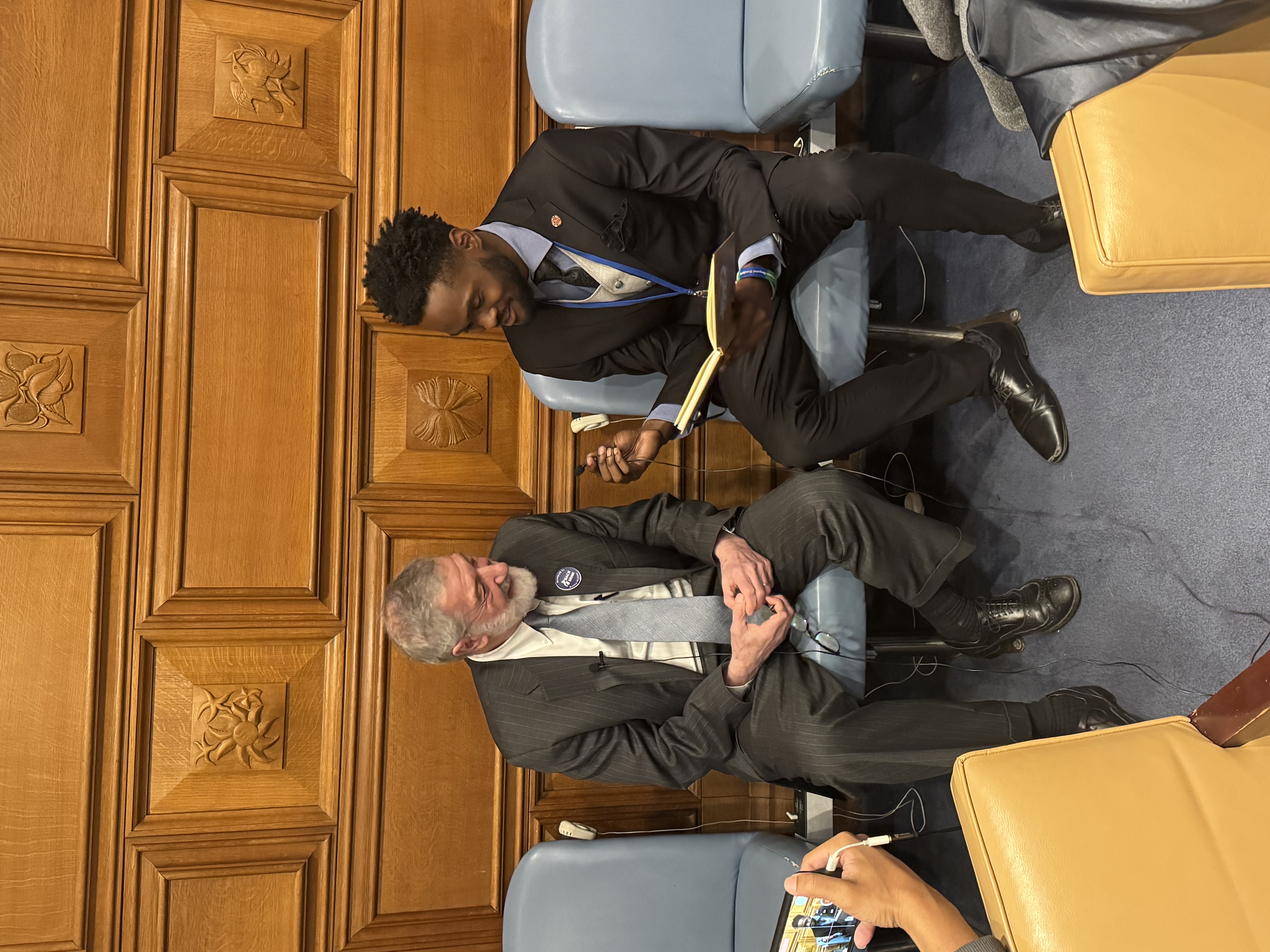
James Height Jr.'s interview with Nobel Peace Prize-winning physician Dr. Ira Helfand during United Nations TPNW engagement becomes source material for public narrative, interview design, and diplomacy-facing media training.
Systems of Influence
The LILMOD model connects education, simulations, and program delivery with the environments where influence is produced, verified, and scaled.
Strategic Conversation